Anna Fenten has spent almost 30 years in events marketing. As co-founder of Premier Crew, a boutique consultancy helping venues become more commercial and more profitable, she's watched the industry chase every new metric, platform and buzzword going. So when we sat down with her, we wanted to know what's actually working right now, and what venues keep getting wrong.
Her answer, in short: stop obsessing over the numbers that don't matter, and start picking up the phone.
The real challenge: making marketing spend work harder
For Anna, the biggest issue facing venues right now isn't a lack of ideas. It's proving that marketing investment is actually working, at a time when budgets are tighter than ever.
"Marketing pounds are so hard to come by right now," she says, and that pressure changes everything: how venues measure success, what they choose to spend on, and whether they're even asking the right questions in the first place. Anna believes venues are collectively lacking a voice in the industry, and that fixing this starts with understanding the market properly: how to segment audiences, and what each type of booker actually wants.
What the data is really telling venues
That's where Anna sees VenueScanner's research proving useful. The clearest signal coming through the data right now is personalisation. Whether you're running a 20-person dinner or a 2,000-person conference, the question is the same: how do you make it feel relevant to the person in front of you?
Two things follow from that. First, pre-event communication matters far more than most venues give it credit for. Sharing an agenda, being upfront about what to expect, and making a genuinely compelling case for why someone should spend their time with you, rather than just sending a generic invite.
Second, human interaction still wins. Even in an industry increasingly shaped by AI-driven content, Anna is clear that trust and connection are what actually make events work, and what keeps businesses profitable and relationships strong.
The metrics that matter (and the ones that don't)
Ask Anna about ROI and she's refreshingly direct: unique visitor traffic has had far too much airtime for far too long. It has its place, especially when benchmarking against a competitor set, but it's not the number that should keep marketers up at night.
What actually matters is industry reach, brand awareness, and enquiries. "Nothing else matters," she says. "The rest is noise."
AI, search, and having a clear voice
Anna sees AI search as one of the biggest shifts venues need to reckon with. People have already swapped Google for whatever AI tool or app happens to be open on their phone, which means venues need a clear, consistent voice and a steady stream of genuinely useful content to be found and recommended in the first place.
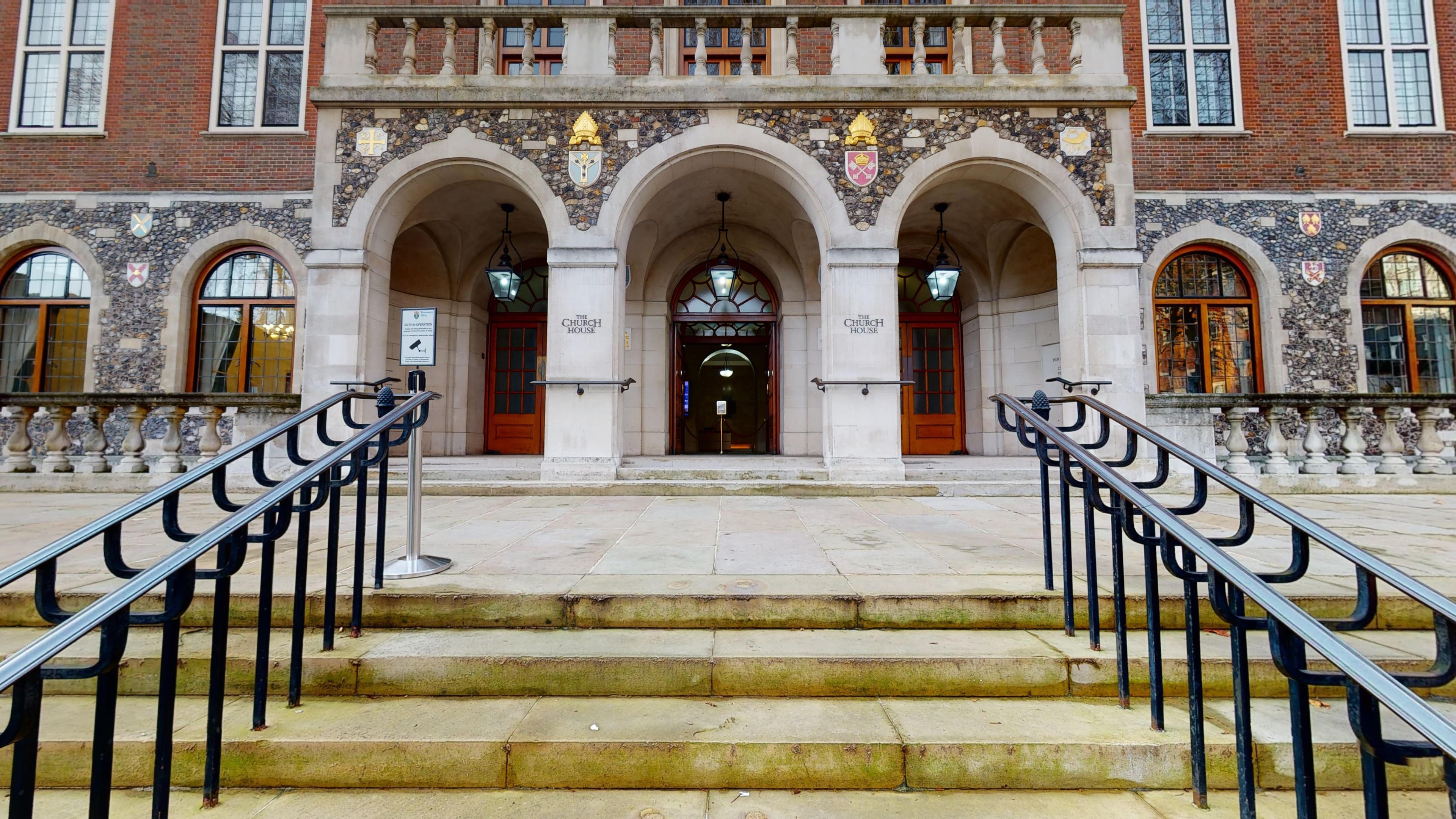
For Anna, that starts with a strong concept. She points to Church House Conference Centre, where the interview took place, as an example: its proposition is built around being a living, breathing part of Westminster, with three clear pillars behind it: the venue to lead, the venue to connect, and the venue to give. Once those pillars are set, everything else, from programming to social content, should feed back into them.
"It can be rough around the edges," Anna says, "but keep it clear and consistent with your key message and your key positioning."
What separates the venues that stand out
So what actually separates the venues that market themselves well from the ones that struggle? Three things, according to Anna.
First, clarity of message. Know what you want to be known for, and most venues haven't spent enough time working that out.
Second, actual human contact. Not just blogs, FAQs or email shots, but genuinely picking up the phone. Anna describes the industry as having become "almost Victorian" in its habits, prearranging calls rather than simply speaking to people directly, and it's a habit worth breaking.
Third, face-to-face moments that feel worth showing up for. The old-school FAM trip of 20-plus people is gone, Anna argues, in favour of smaller, more generous gatherings: 20 people rather than 200, with real time spent talking to them once they're in the room.
Anna's advice for the next 12 months
Have a hook.
Anna's argument is simple: most venues have already put the work into SEO, search visibility and lead generation, so enquiries are coming in. The real challenge is conversion, and that comes down to giving people a reason to actually visit. Not just an invitation, but an experience: a hands-on wine tasting, a chance to meet a local producer, anything that makes the visit memorable rather than transactional.
"Make it hands-on," she says. "That will absolutely make your event a success."
Anna Fenten is co-founder of Premier Crew, a boutique consultancy helping venues across London and beyond become more commercial, more profitable, and more memorable. Connect with her on LinkedIn.