Venue Guide: What the Autumn Budget Means for Hospitality & Events

VenueScanner
The Autumn Budget delivered a mix of changes for the hospitality industry and while the initial feeling is uncertainty, there’s still plenty to be optimistic about. The events industry is one of the most resilient sectors, continuing to steadily grow YoY post pandemic and 2026 can still have a positive outcome if venues are willing to adapt.
This guide breaks down what venues need to know, where the real opportunities lie and how you can continue to grow.
What are the key changes from the Autumn Budget that could affect venues?
Business Rates Reform
From April 2026, new lower multipliers will apply for Retail, Hospitality and Leisure businesses, which includes venues, pubs, bars, restaurants, hotels and event spaces. Meaning, that smaller and mid-sized properties could see their rates reduce - especially if you’re outside of the major cities.
However, this will depend on each venue’s new rateable value so it’s worth checking yours when you have the draft available.
Alcohol Duty Rise
Alcohol duty will rise with inflation from February 2026, affecting venues that rely heavily on bar margins, likely to be larger venues or late-night trade.
No VAT Cut (yet)
While it was widely called by many hospitality professionals and industry bodies, sadly the hospitality industry didn’t receive a VAT reduction, which means this could create some cost pressures moving forward.
Where are the opportunities for venues and the hospitality sector in 2026?
Despite the challenges, there are many positive trends emerging that you can take advantage of.
1. Licensing and planning flexibility may improve
There are early signals of reducing admin barriers for hospitality, creating more flexibility and opportunities for outdoor events, pop-ups, extended trading or mixed-use spaces.
2. More predictable business rates environment
Although values may shift, the introduction of new multipliers for hospitality creates longer-term stability - meaning venues can plan with more confidence.
3. Demand is shifting towards experience-led events
Organisers are prioritising immersive and memorable experiences over larger-scale or traditional events - looking for interesting spaces that fit with their event ideas.
You don’t have to compete for size, but compete with originality and adaptability.
4. Flexibility is key
Events are becoming more flexible from guest numbers to budgeting to supplier choices, so venues that embrace this with their offering will see a greater increase in enquiries.
Organisers want reassurance and adaptability, especially during economic changes.
What does this mean for event demand?
With all the noise around the budget, event demand is growing (albeit slowly) but there is a clear shift in the event types that corporate and private people are booking. Here are some key ones for you to think about and weave into your event strategy.
Corporate bookings still dominate with a clear focus on employee engagement and connection. Events such as:
- Team building days
- Annual offsites
- Leadership workshops
- Hybrid strategy sessions
- Quarterly celebrations
The key to winning these? Flexible layouts, good AV and DDR packages.
Micro-events are becoming the new normal as companies want more intimate spaces for high intent conversations. Events such as:
- Executive dinners
- Training days
- Sales celebrations
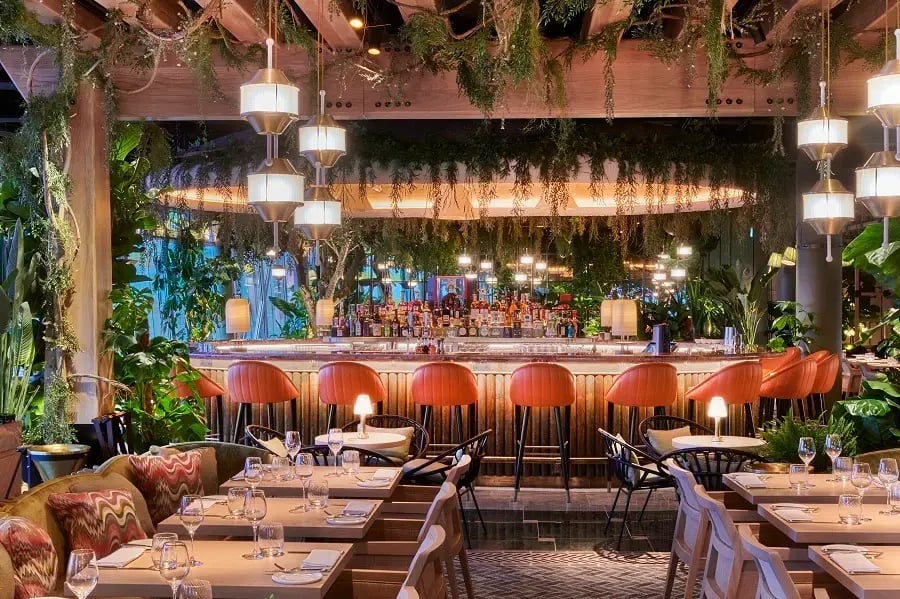
Organisers are looking for ways to make their events stand out through non-traditional spaces.
- Industrial spaces
- Rooftops and gardens
- Studios and galleries
- Bars and restaurants for daytime events
Lean into your personality and sense of style, include that as part of your proposals to add an edge when pitching your space for events.
Digital first discovery is essential - in a world where everything is at our fingertips with AI, organisers expect speed and clarity. They want to:
- Compare venues instantly
- View clear photos, pricing and packages
- Check availability quickly
- Book and enquire with minimal back and forth
- Get rapid responses
Practical tips: how venues can continue to grow in 2026
1. Broaden your event types and move with the seasonal trend
Create a solid strategy that follows the seasonal trend that we all know the events industry to have, create strong marketing campaigns to highlight any incentives, packages or new layouts for organisers.
Think about targeting other categories that are growing fast, look at your data and pull trends, then lean into those. E.g. daytime workshops, product launches, networking events, speaker led panel discussions.
2. Refresh pricing and packages
Transparency is key! Create all-inclusive or minimum spend packages that give organisers clarity and confidence. Consider discounts for repeat bookers or mid-week pricing structures.
3. Reduce reliance on alcohol margins
With the duty rising shortly, look for other revenue streams such as, catering bundles, decor packages or experience add-ons. Partner with suppliers to create amazing packages that organisers can’t resist.
Look at non-alcoholic options that appeal to Gen Z as well.
4. Boost repeat bookings
Create incentives for organisers to return, especially for larger venues. Organisers love loyalty pricing, special perks for repeat bookers or having a dedicated account manager.
5. Lean into what makes you unique
Make sure you highlight what makes you stand out from other venues - lean into how organisers can utilise your unique features to make their event more memorable. Look at your decor, architecture, vibe, location, story or flexibility to bring their experience to life.
6. Optimise marketplace listings
Make sure your marketplace listings are up-to-date with images that show off the space, clear floor plans, accurate pricing and fast responses. Our marketplace team at VenueScanner is on hand to advise key areas that can help boost your marketing efforts.
Even with cost pressures, 2026 still holds major growth opportunities for venues. The winners will be those that lean into flexibility, creativity and strong digital presence - ready to capture demand across both corporate and private events.