Insights
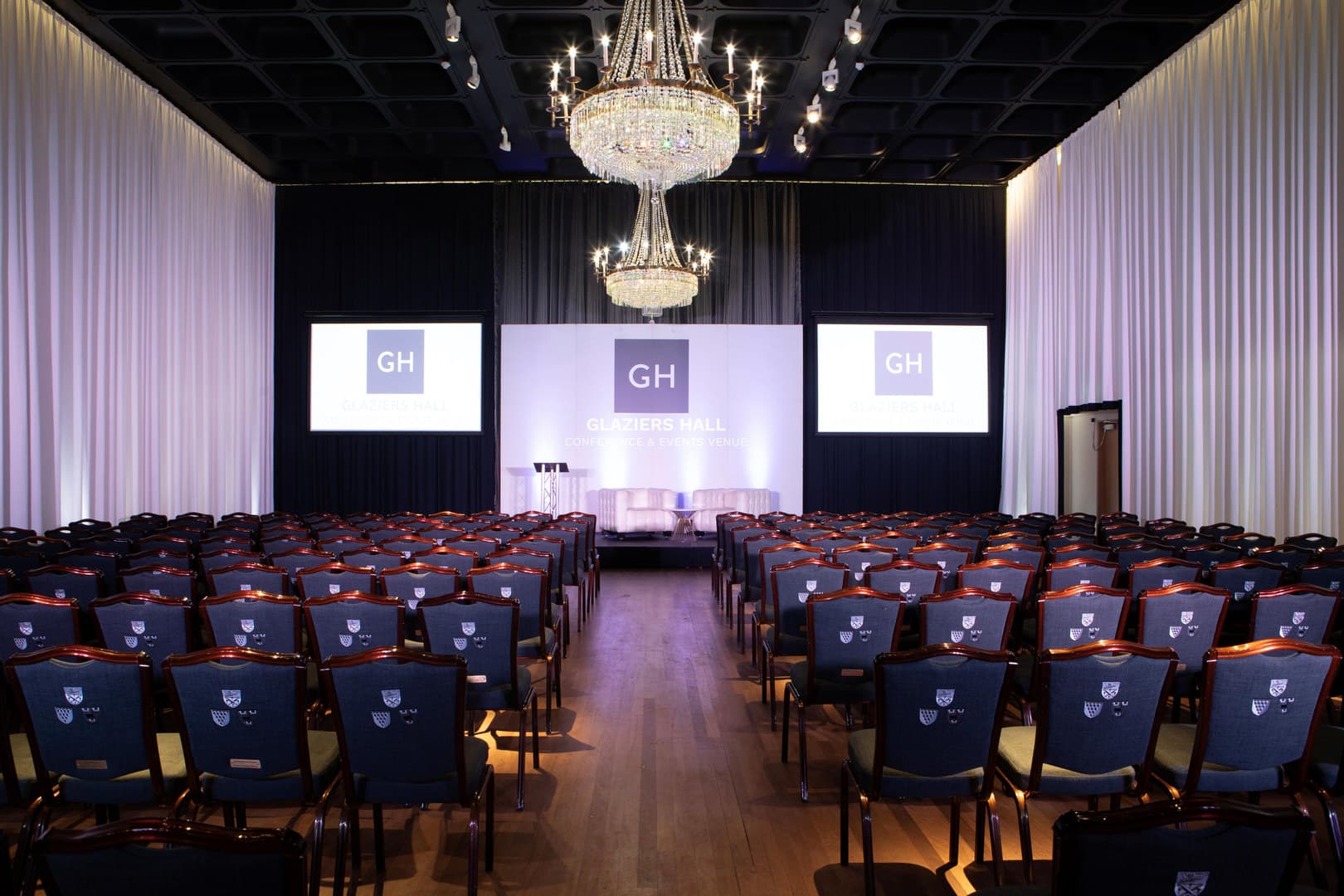

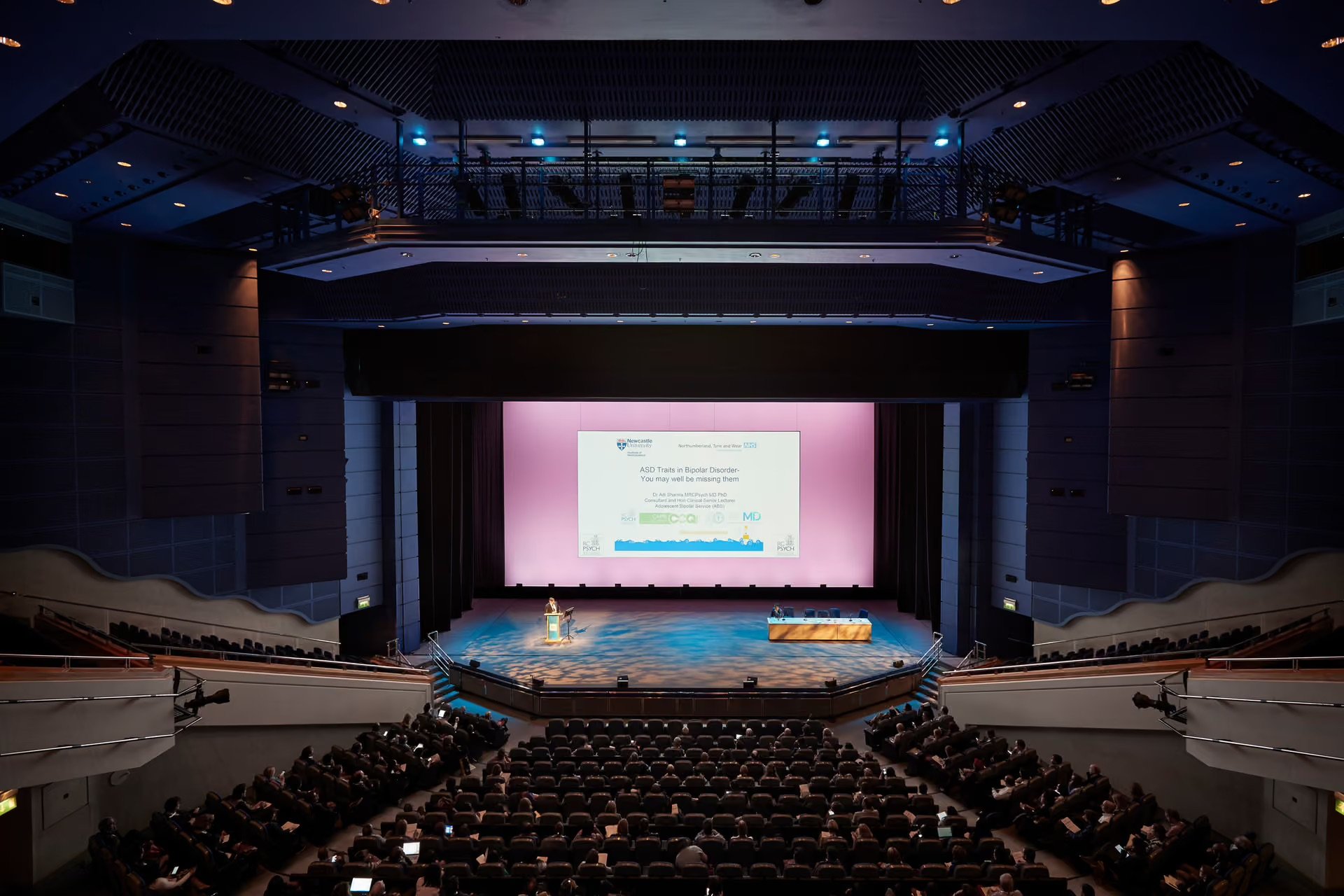
London has more conference venues than anywhere else in the UK, which sounds like good news until you start searching. There are thousands of rooms to choose from, prices swing wildly between postcodes, and the best spaces for mid-size events get snapped up months ahead. Conference planning in London isn't harder than anywhere else, but it does punish late decisions and vague briefs.
This guide covers the London-specific side of planning a conference: when to book, what pushes the bill up, where to look for different group sizes, and the small details that catch out even experienced organisers. If you're new to running conferences, our ultimate guide to planning a successful conference covers the fundamentals. If you'd rather go straight to browsing, you can compare London conference venues on VenueScanner.
In London, the brief does more work than in most cities because the choice is so big. Without one, you'll end up comparing a Georgian townhouse with a stadium suite and wondering why the quotes look nothing alike.
At a minimum, decide:
It's also worth asking whether bigger is actually better. A lot of organisers are scaling down to smaller, more focused events, and we've explained why in our piece on the micro-conference trend.
Your date affects your London conference budget more than almost anything else. Venues and hotels are at their busiest (and most expensive) in late spring and early summer, September and the run-up to Christmas, so if you have flexibility, January, February and August are where the deals tend to be.
A few other things to check before you commit:
As a rough guide for London:
The mid-size bracket is the one that surprises people. Rooms for 80 to 150 with good AV and breakout space are in high demand from corporate clients, so the best options go first. If you see something that fits, put a provisional hold on it while you get sign-off and arrange a venue visit.
Every part of London has its own character, from the creative studios of Shoreditch to the boardrooms of the City. For planning purposes, though, the questions that matter are more practical:
How will people arrive? If most delegates are coming in by train, look near their mainline station. The City suits anyone coming into Liverpool Street or London Bridge; Marylebone and Fitzrovia suit those coming into Euston or King's Cross; Canary Wharf and the Docklands are much easier to reach now the Elizabeth line is running.
Where will they sleep? For multi-day events, a hotel venue saves you a daily commute and a lot of coordination. If you're using a non-hotel venue, check what's within walking distance before you book.
What happens after the last session? Wherever you end up, there'll be a pub round the corner. The real question is whether you want delegates to drift off in small groups or stay together, because a planned evening is often where the best conversations happen. If you're keeping everyone together, book it alongside the venue: pub hire in London for something relaxed, restaurants with private rooms for a proper dinner, rooftop venues in the summer months, or one of London's best activity bars if you want to give people something to do. If your conference is part of a two-day offsite, our team away day activities in London can fill the second day.
Here's a shortlist of London conference venues grouped by group size, with a mix of price points. All figures come from each venue's VenueScanner listing as of publication, and they can change, so double-check before you book.
For more options at this size, browse conference rooms in London or our London meeting rooms.
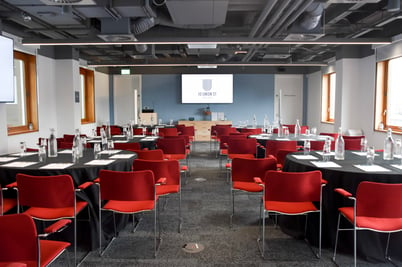
A newly refurbished, purpose-built event space a short walk from London Bridge station. Room G01 is on the ground floor with lots of natural light, and it seats 30 theatre style or 16 around a boardroom table. Prices start from £680 per day.
Best for: board meetings and small strategy sessions south of the river.
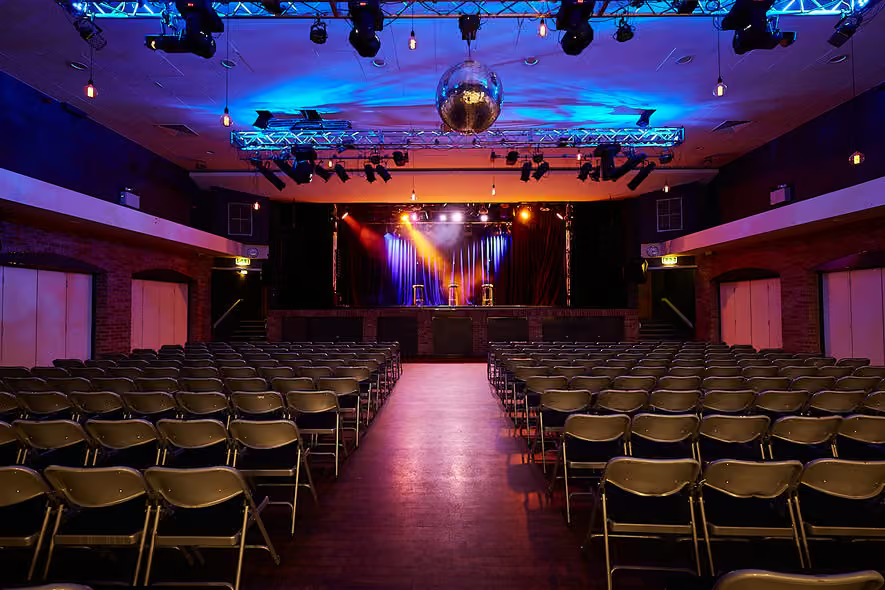
ISH Venues sits in the end terrace of the Nash buildings on Park Crescent, overlooking the gardens near Regent's Park. The Fitzrovia room takes 33 theatre style or 21 boardroom, from £650 per day. The wider venue can host up to 500 delegates, so you can add breakout rooms or scale up next year without moving.
Best for: leadership teams and training days that want a quieter setting while staying central.
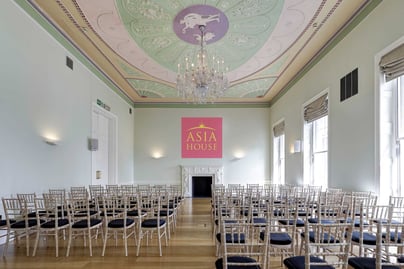
A Grade II* listed Georgian townhouse a few minutes from Oxford Circus, but tucked away from the crowds. Fine Rooms 1 and 2 are on the first floor and are sold together, seating 100 theatre style, 70 cabaret or 50 classroom. Prices start from £2,280 per day, and the in-house team has plenty of event production experience.
Best for: conferences, lectures and panel events where a sense of occasion matters.
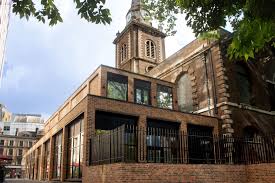
A modern, light-filled space attached to St Botolph without Aldgate, a church with a history on the site going back before 1125. The whole venue seats 120 theatre style or 70 classroom, from £870 per day. It's a dry hire venue, so you'll bring in your own caterer, which gives you more control over the menu and often keeps costs down.
Best for: budget-conscious conferences in the City and organisers who want to choose their own caterer.
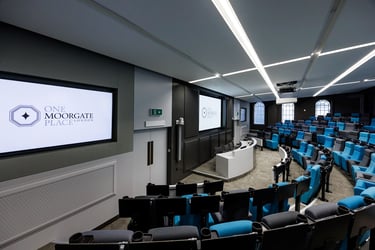
A Grade II listed building close to Bank and Moorgate. The Auditorium has tiered seating for 107 and built-in AV, with the Atrium alongside for registration and breaks. Prices start from £3,575 per day.
Best for: results presentations, AGMs, investor days and anything with a single speaker at the front of the room.
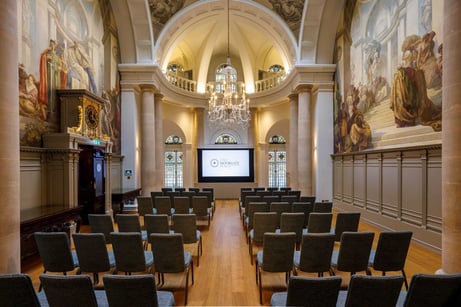
If you outgrow the Auditorium, the Great Hall in the same building seats 275 theatre style, 160 cabaret or 110 classroom, and holds up to 450 for a standing reception. Prices start from £10,000 per day. Using both spaces together gives you a plenary room plus a smaller room for breakouts or a second stage.
Best for: City-based professional services and finance conferences.
For more options at this size, see our list of London conference venues that hold 300 guests. And if your conference rolls into an evening event, here are three London venues that move from conference to awards dinner.
London is the most expensive city in the UK for conferences, and the gap is real. Industry estimates put central London day delegate rates (DDRs) at roughly £85 to £150+ per person, compared with £50 to £90 in cities like Birmingham, Leeds and Glasgow. Zone 2 and Docklands venues usually come in lower, and some hotels run promotional DDRs from around £70 per person for larger groups.
Room hire on VenueScanner ranges from around £650 per day for a small meeting room to £10,000 per day for a 275-seat hall in the City.
The headline number is rarely the final number. These are the extras that most often push a London budget over:
Before you sign, run through our venue contract checklist so the cancellation terms and attrition clauses don't come as a surprise.
If London's prices don't fit your budget, it's worth looking at whether a regional city would work for your delegates. Our guide on how to plan a conference in Birmingham covers one of the most popular alternatives, and our comparison of Manchester, Leeds and Birmingham is a good place to start.
Start later than you would elsewhere. London journeys are unpredictable, and one delayed train can mean a third of the room walks in during your keynote. Opening registration at 9am and starting the first session at 9:30 or 10am gives everyone a buffer.
Check how people get into the building. Plenty of City and Canary Wharf venues sit inside office buildings with a security desk and visitor passes. Send your guest list to the venue in advance and ask whether you can run registration past the barriers, or you'll have a queue in the lobby at 9am.
Ask about access in listed buildings. Several venues in this guide are listed, and older buildings can have small lifts, split levels or limited step-free routes. Ask before you book rather than after. Our guide on what to ask before you book a venue and our list of mistakes to avoid when booking a conference venue cover the other questions worth raising.
Plan for luggage. On the last day of a multi-day event, or when delegates are travelling straight from a mainline station, you'll have a room full of suitcases. Check the venue has cloakroom space for everyone.
Send clear travel instructions. Tell delegates which station and exit to use, how long the walk is, and where to go when they arrive. "Come to reception" isn't enough in a building with three entrances.
If you'd rather hand over the shortlisting, our VenueScanner for Business team can take your brief and come back with London conference venues that fit your dates and budget.
It depends on the area, the date and what's included. Central London day delegate rates generally run from around £85 to £150+ per person, while room hire on VenueScanner starts from around £650 per day for a small meeting room. Budget for service charge, VAT and AV extras on top.
Usually, yes. Venues in Zone 2 and the Docklands tend to come in below central London prices, and the Elizabeth line has made places like Canary Wharf much easier to reach. If your delegates are spread across the UK, a regional city like Birmingham can cut both venue and travel costs.
January, February and August are usually the quietest months, so you'll have more choice and more room to negotiate. Late spring, September and the weeks before Christmas are the busiest and most expensive.
Many do, often around 12.5%, and it isn't always included in the headline quote. Ask whether it applies to the full bill or only food and drink, and whether it's discretionary.